A serious motorcycle accident during the Isle of Man TT left a rider with severe injuries and far from home. NGS coordinated stabilisation, transport planning, and repatriation to Ireland once the patient was fit to travel.
A High-Risk Motorcycle Accident at the Isle of Man TT
During the Isle of Man TT races, a motorcyclist suffered a severe motorcycle accident. Emergency services airlifted the patient from the scene to a trauma centre in Liverpool, where clinicians focused on stabilisation and critical care.
At this stage, the priority was survival and immediate treatment. However, once the patient’s condition began to stabilise, a new challenge emerged. The patient needed to return home to Ireland safely, without interrupting care or risking further injury.
Early Decisions Shaped the Outcome
Motorcycle accidents often involve complex trauma. In this case, timing and transport choices mattered.
NGS was contacted to support the repatriation. The team first reviewed the patient’s condition and the care already in place. Rather than rushing movement, Ops focused on protecting clinical stability.
At the same time, the team assessed available transport options. Air transfer carried risks at this stage. Ground transport, however, offered continuity of care and better control, provided the timing was right.
Planning the Safest Route Home
As the patient’s condition improved, NGS Operations evaluated both ground and air transport routes in detail. This included:
Monitoring clinical updates from the trauma team
Assessing whether the patient could tolerate longer movement
Coordinating with receiving hospitals in Ireland
Ensuring medical oversight would remain in place throughout transit
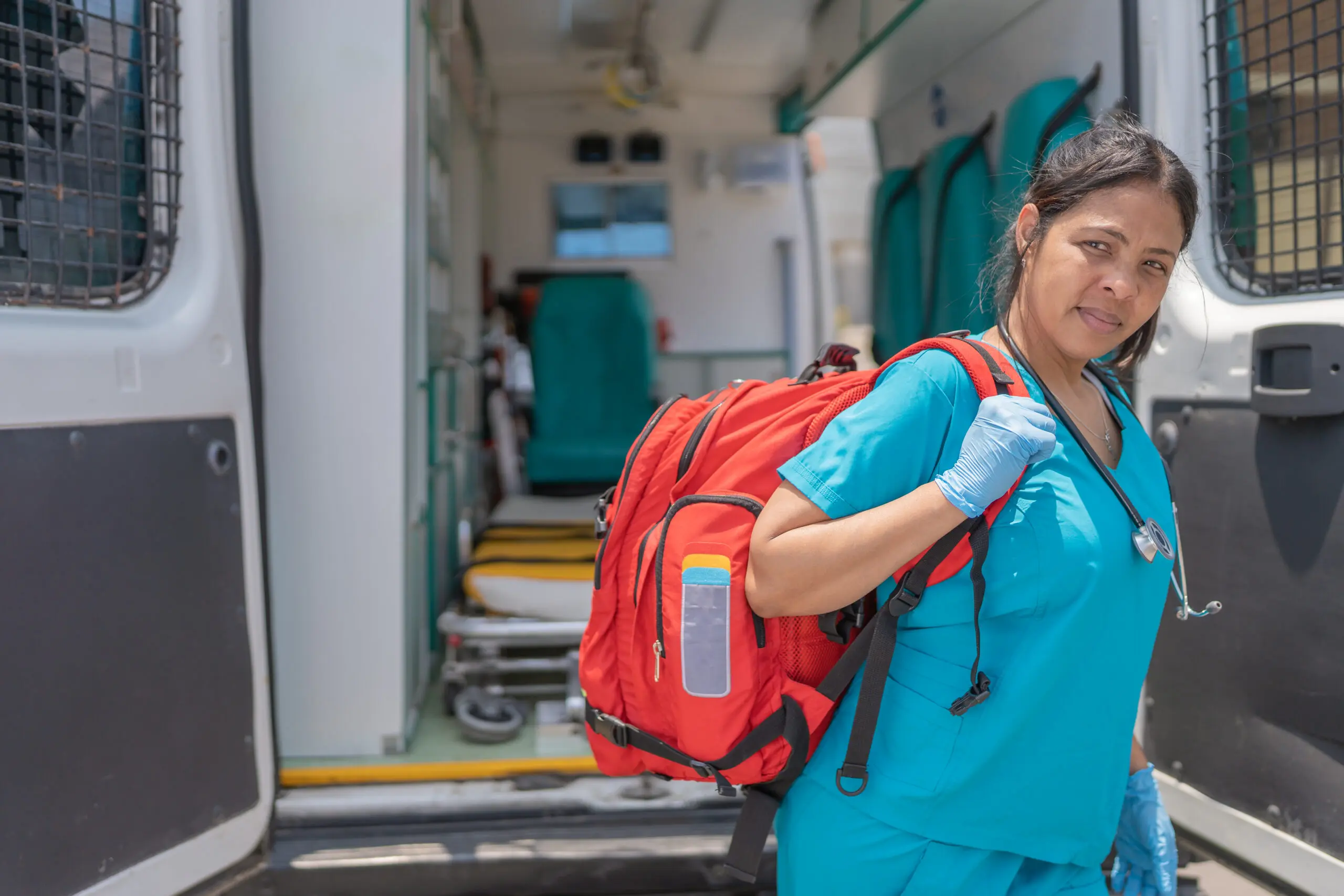
Once doctors confirmed the patient was stable enough, NGS coordinated a ground ambulance transfer. This approach allowed clinicians to manage pain, movement, and monitoring continuously, rather than exposing the patient to unnecessary risk.
A Controlled Repatriation to Ireland
NGS managed the full repatriation process, ensuring the ambulance journey remained clinically supported from start to finish. The patient was transported safely to an accepting hospital in Ireland, where ongoing treatment could continue closer to home.
Throughout the operation, coordination and communication stayed tight. Each handover was planned. Each decision was deliberate. As a result, the transfer completed without complication.
What This Motorcycle Accident Case Demonstrates
This case highlights several realities that follow serious motorcycle accidents:
Initial survival is only the first step
Repatriation decisions must follow medical readiness, not urgency alone
Transport choice directly affects patient safety
Continuity of care matters more than speed
In high-risk events like the Isle of Man TT, accidents unfold fast. Recovery, however, requires patience, judgement, and structured coordination.
NGS ensured that movement happened at the right time, in the right way, and with the right safeguards in place.