
Six travellers were involved in a serious car accident in Sudan. Local clinicians stabilised them. However, doctors soon confirmed the hospital could not provide the level of trauma care they needed.
At that point, the case changed. This was no longer about immediate treatment. It became a race to secure advanced care, move six injured people safely, and avoid decisions that would create unnecessary cost and delay.
Sudan is a challenging environment for complex medical cases. Specialist options can be limited, and evacuation logistics can tighten quickly. Every hour matters, yet rushed decisions often lead to avoidable expense.
The client needed a plan they could trust. They also needed regular updates, because they were managing risk on multiple fronts at once.
NGS began with the medical picture, not the aircraft. MedOps reviewed the injury profiles for each traveller and tracked clinical stability. That work shaped every next step.
Some patients could tolerate seated travel. Others needed stretcher transport and close monitoring. Because of that, NGS focused on building the right configuration, rather than defaulting to a one-patient-per-aircraft approach.
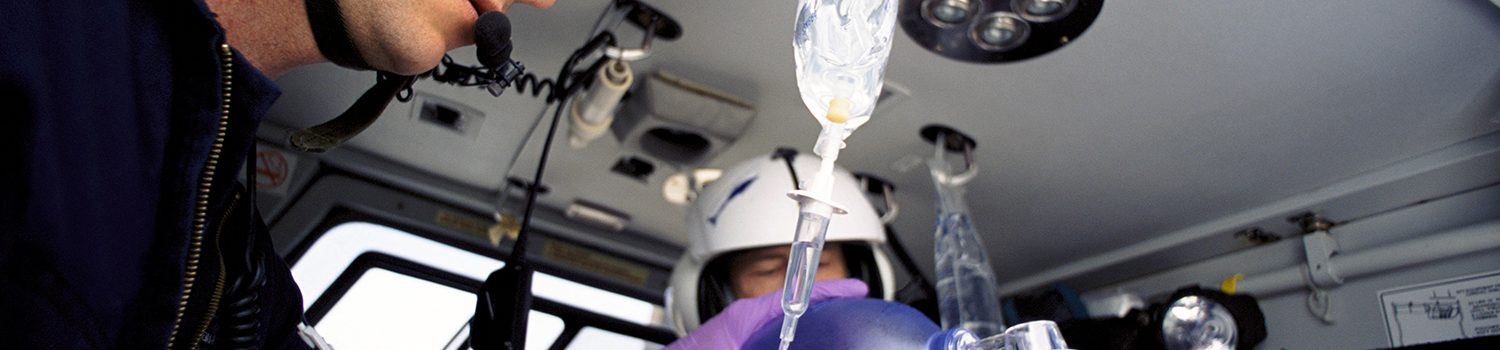
Once the team confirmed who could travel seated and who needed stretcher support, NGS built a two-aircraft plan. Each air ambulance carried a safe mix of patients based on medical requirements.
At the same time, Ops arranged admission into an appropriate receiving facility in Italy. That mattered. It avoided landing into uncertainty and it reduced the risk of delays in onward care.
NGS kept the client informed throughout, as decisions moved from assessment to mobilisation to transfer.
The early medical review changed the cost profile of the mission.
Instead of deploying six separate air ambulances, NGS completed the evacuation with two. That approach delivered almost $750,000 USD in savings while maintaining clinical safety for every patient.
The key point is simple: the savings came from better planning, not reduced care.
Multi-patient evacuations do not succeed through speed alone. They succeed through structure.
This case shows what matters when several people need urgent onward care at once:
start with clinical readiness and travel tolerance
configure aviation around medical need, not habit
secure receiving admission early to keep care continuous
communicate clearly, so the client never fills gaps with assumptions
All six travellers reached advanced care without unnecessary delay. The client also avoided major cost exposure, because the plan stayed disciplined from the first decision.